
Animal Diseases

Beyond Chemicals: Alternative, Sustainable, and Biological Tick Control Methods with an Indian Perspective

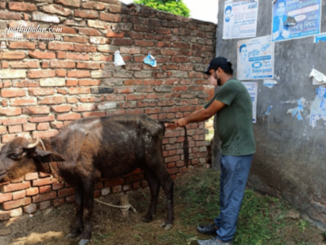
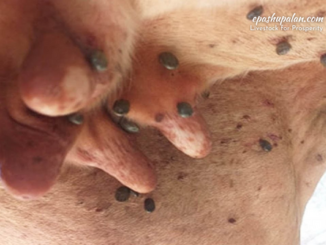
India is home to over 193 million cattle and 110 million buffaloes; more than 23% of global milk production comes from this country. But lurking on the skin of these animals is a tiny enemy: the tick. These blood-sucking parasites are not just a nuisance; they cause anaemia, reduce milk yield, retard growth, and transmit deadly diseases like babesiosis, theileriosis, and anaplasmosis. Each tick sucks no fewer than 30 drops of blood to complete its life cycle. Multiply that by thousands of ticks on a single animal, and the loss is staggering. >>>

Animal Diseases

Brain-Eating Amoeba: The Unseen Threat

As summer temperatures soar, the call of cool, refreshing water becomes irresistible. But lurking in some warm freshwater lies a microscopic organism with a terrifying reputation: Naegleria fowleri, often dubbed the “brain-eating amoeba.” While infections are exceptionally rare, the almost always fatal outcome makes it a subject of both fear and fascination. >>>

Animal Diseases

CT Scan: A Game Changer For Veterinary Medicine

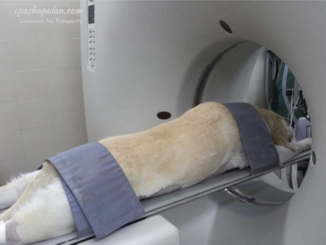
In today’s world, every pet owner wants the best possible care for their furry friend. Advances in veterinary medicine have led to improved diagnostic tools, and one of the most significant game changers is CT scan. A CT scan (computed tomography) is a non-invasive diagnostic tool that uses X-rays and computer technology to produce detailed cross-sectional images of the body. In veterinary medicine, CT scans are used to visualise internal structures, diagnose disease, and guide treatment plans >>>

Animal Diseases

FAQ on Lumpy Skin Disease

It is a disease caused by a pox virus. In this, 2 to 5 cm diameter lumps fall in the body of cow buffalo. For this reason, this disease is called lumpy skin disease in colloquial language. These knots are mainly around the head, neck, udder various genitals. Which later turns into a deep wound. >>>

Animal Diseases

Monkeypox in animals

With more than 31,000 confirmed cases of monkeypox worldwide, health authorities are warning that it’s not just people who are at risk from the disease even pets can get monkeypox, too. With monkeypox spreading in humans throughout the world, veterinarians have begun to worry about the increased risk of monkeypox spreading from humans to animals. >>>