Recent Diagnostic Techniques in Mycology
Early and correct diagnosis is critical for prompt antifungal therapy implementation and reducing the usage of toxic antifungal drugs. Furthermore, having access to accurate and early >>>


Alanine amino transerfase (ALT) Formerly known as glutamic pyruvate transaminase. It is an enzyme necessary for energy production,it is present in a number of tissues including the liver, heart >>>
IgY production, a simple, non-invasive technology is a fascinating substitute to the traditional method of production of polyclonal antibody. Immunoglobulin Y (IgY) accounts for the >>>
So far, around 100,000 species of fungus have been identified, with a large majority obtaining nutrition from living in close proximity to other creatures, primarily plants. Many fungi >>>
A large number of deaths worldwide i.e. approximately 1,60,000 annually are caused fungal diseases like cryptococcal meningitis which can be compared to the casualities caused by other diseases like tuberculosis and malaria which are 1.6 million and 4,29,000 respectively. >>>
Milk fever is a disorder of dairy cows occurring close to calving or within 48-72 hours after calving. It is a metabolic disease caused by a low ionized blood calcium level (Hypocalcaemia) >>>
Mastitis is a potentially fatal inflammation of the cow’s mammary gland, which is usually caused by bacteria entering the teat canal and moving into the udder tissue. Toxins released >>>
Streptococcosis is a group of infectious factorial diseases that affect mainly young animals of many species, caused by pathogenic streptococci and manifested in acute by septicemia and >>>
Actinobacillus pleuropnemonia is a common primary bacterial pneumonia in swine populations in worldwide. Porcine Actinobacillus pleuropneumonia, caused by Actinobacillus (Haemophilus) >>>
The process of reproduction in all farm animals begins with exhibition of cyclical activity after attaining age of puberty. The start of biological clock (estrus cycle) is a >>>
Mycotoxins are toxic secondary metabolites produced by fungi (molds) that cause an undesirable effect (mycotoxicosis) when animals are exposed. Exposure is usually by consumption of contaminated >>>
Infectious diseases in animals pose a serious and continuing threat to food security, food safety, national economies, biodiversity and the rural environment. An infectious animal disease can spread >>>
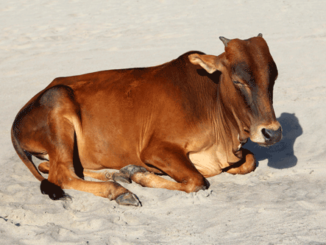
Downer cow is any cow which was down in sternal recumbency for more than 24 hours. The downers cow syndrom can be defined as a condition occurring following parturient paresis characterized clinical >>>
Oestrus is defined as a type of sexual behaviour near the time of ovulation which is characterized by the acceptance of the male. Anoestrus indicates the lack of this typical oestrus expression at an expected time. >>>